ESKENAZI MUSEUM OF ART AT INDIANA UNIVERSITY
An Experiment in Augmented Reality
ROLE
Concept Designer
Sketching
Paper Prototyping
Usability Testing
CLIENT
Eskenazi Museum of Art at Indiana University
TOOLS
Microsoft Hololens
SketchUp
Sketchfab
Audacity
Ph.D. candidates in the School of Informatics and Art History departments at IU partnered with the Eskenazi Museum of Art to prototype and test how augmented reality (AR) might be used to help museum-goers learn more about one of the objects in the museum's collection: a partial ancient Roman statue of a Resting Satyr. AR, via Microsoft Hololens, was the medium of choice because virtual content can be layered over the real without obscuring the gallery or object itself (as opposed to virtual reality, which completely obscures the real world around a user).
Advised by Kelly McClinton, Ph.D. and Dr. Bernard Frischer, I conceived of an AR experience that would help potential museum-goers learn about the Resting Satyr statue in a new, immersive way.
Through initial brainstorming, it was determined that AR could be particularly suited to visualizing the "life of an object"—or the idea that an object (especially an ancient one like the Satyr) has been displayed, seen, and interpreted in many different ways over its thousands of years of existence. The question then became, how might we use digital modeling and storytelling through AR to create an experience that illustrates the statue's history of display, and that is also user friendly for first-time AR users?
AR and Scholarly Research
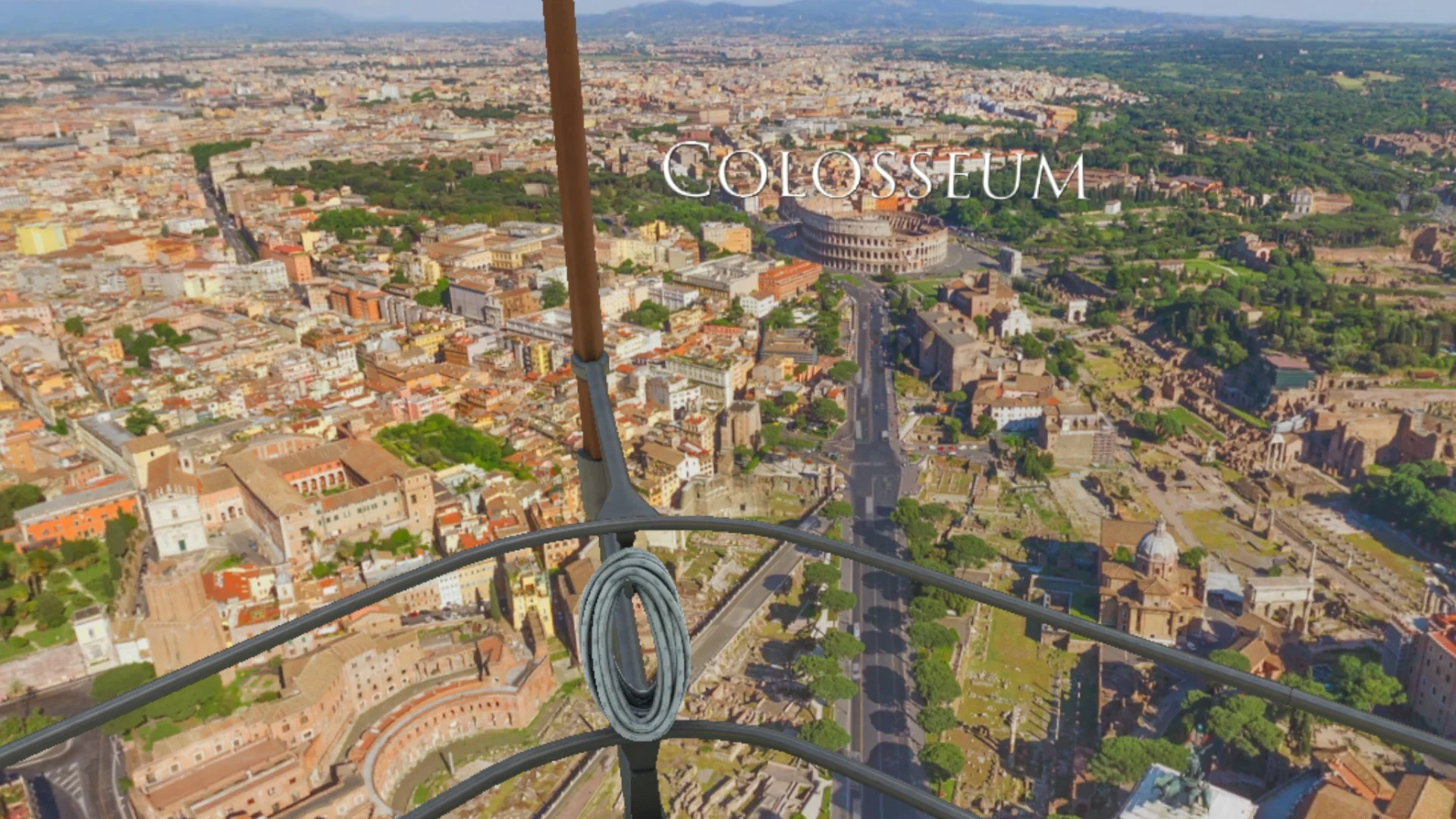
In order to understand the state of mixed reality (MR) experiences at the time, I analyzed the HoloTour app, which gives a fully immersive tour of Rome and Machu Picchu. I documented visual and audio cues that work and don't work for signaling user interaction and story progression in an immersive space.
Read scholarly articles about the Resting Satyr, noting the different display contexts, how it would have been interpreted by the people seeing it in those contexts, and other facts to include in the narrative
Ideating, Sketching, User Journeys
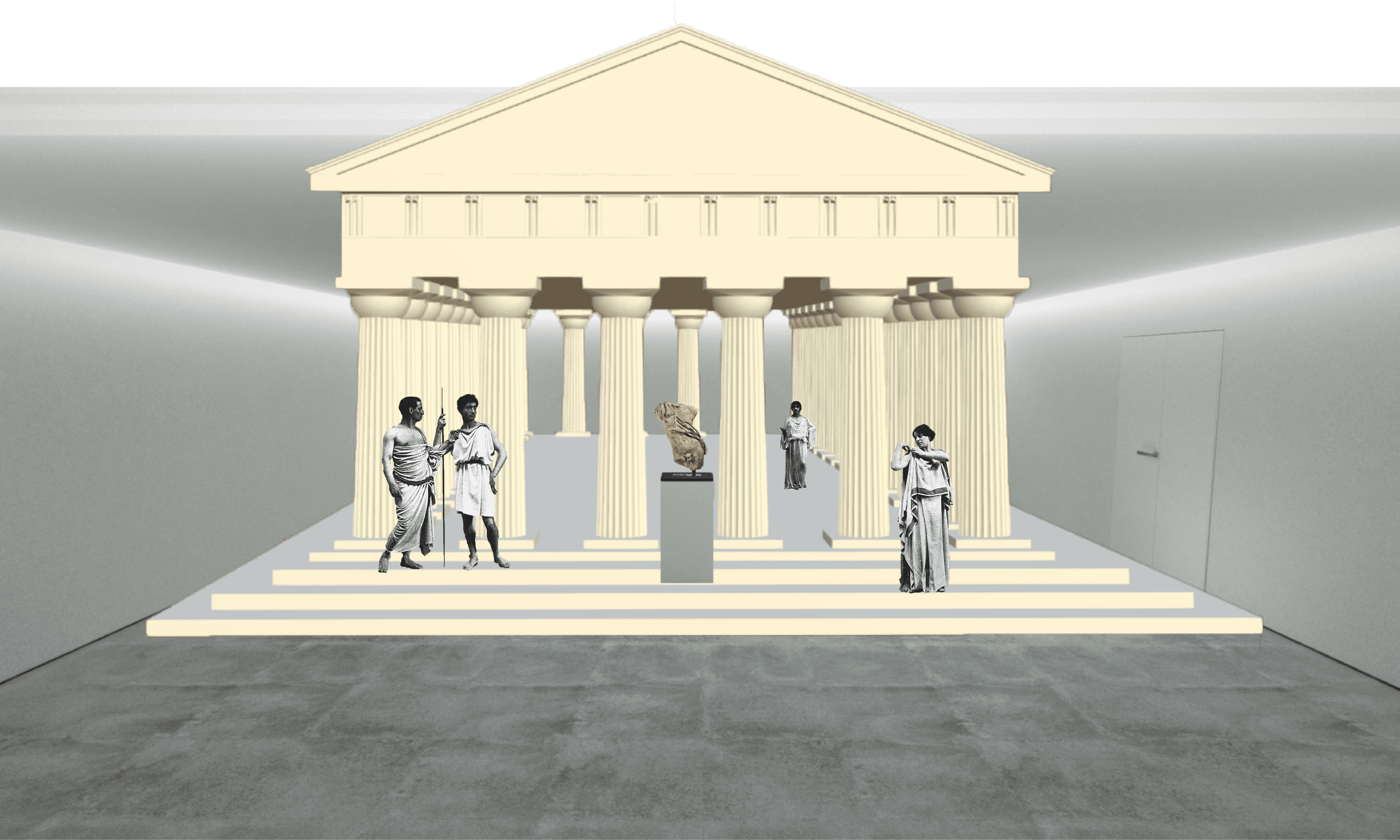
Identified three contexts to show to users based on research—a Greek temple, a Roman domus garden, and a Roman private townhouse
Developed the idea of incorporating audio as if the statue was speaking directly to the user—an extension of the satyr's ancient role as a mediator between the mythical and real
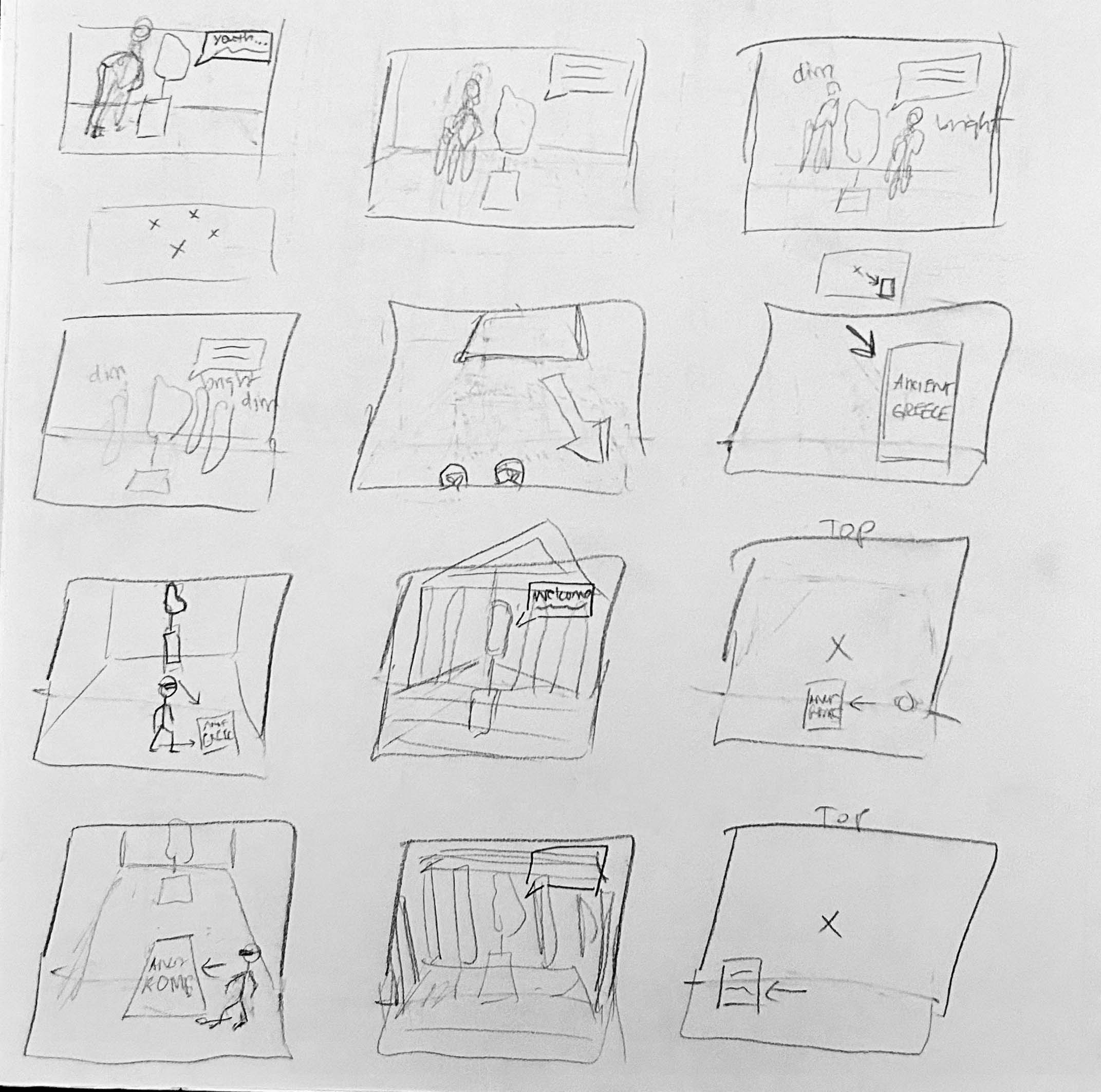
Sketched a user journey of the AR experience, incorporating visual cues and noting aural ones and gaze-based interactions
Developed an engaging script narrative about the Resting Satyr's meaning, materiality, and contextual history
Low-Fidelity Prototype Testing
Developed a prototype testing plan ("bodystorming" exercises)
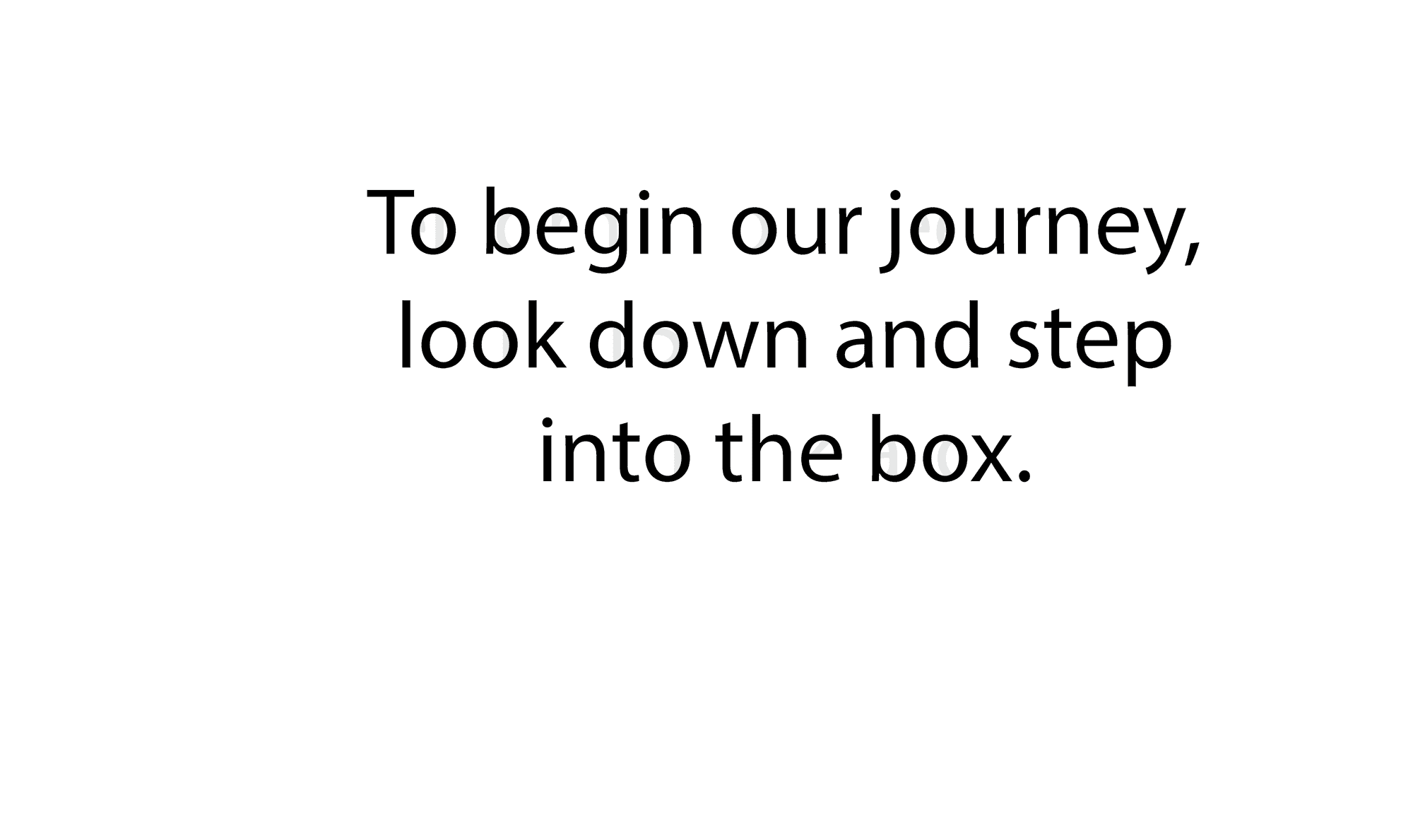
Created paper artifacts representing the virtual user experience and visual cues, and wrote and recorded a script on my iPhone to represent the audio narrative and cues
Facilitated four usability testing sessions of the prototype experience with undergraduate and graduate students
Recorded qualitative feedback through observational notes and quantitative through a post-test survey
Prototype Refinement and Documentation
Documented user feedback and recommendations for future iterations
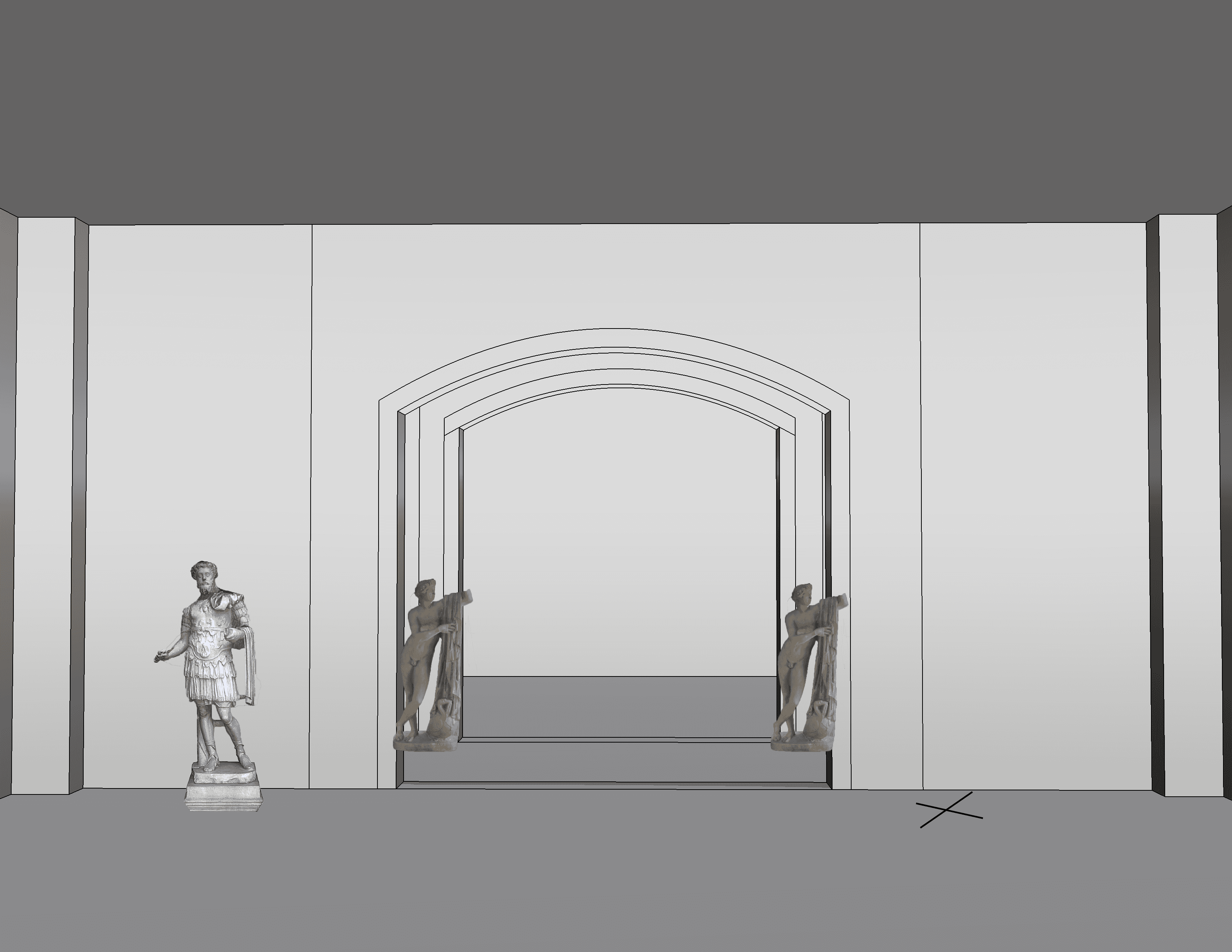
Curated existing 3D sculptural and architectural models, and created a new 3D model of the Roman private townhouse based on an academic diagram of the house at Via Cavour for higher-fidelity prototype
Collated prototype artifacts and wrote a full user journey to be translated by programmers into a virtual prototype
Dive deeper into my process
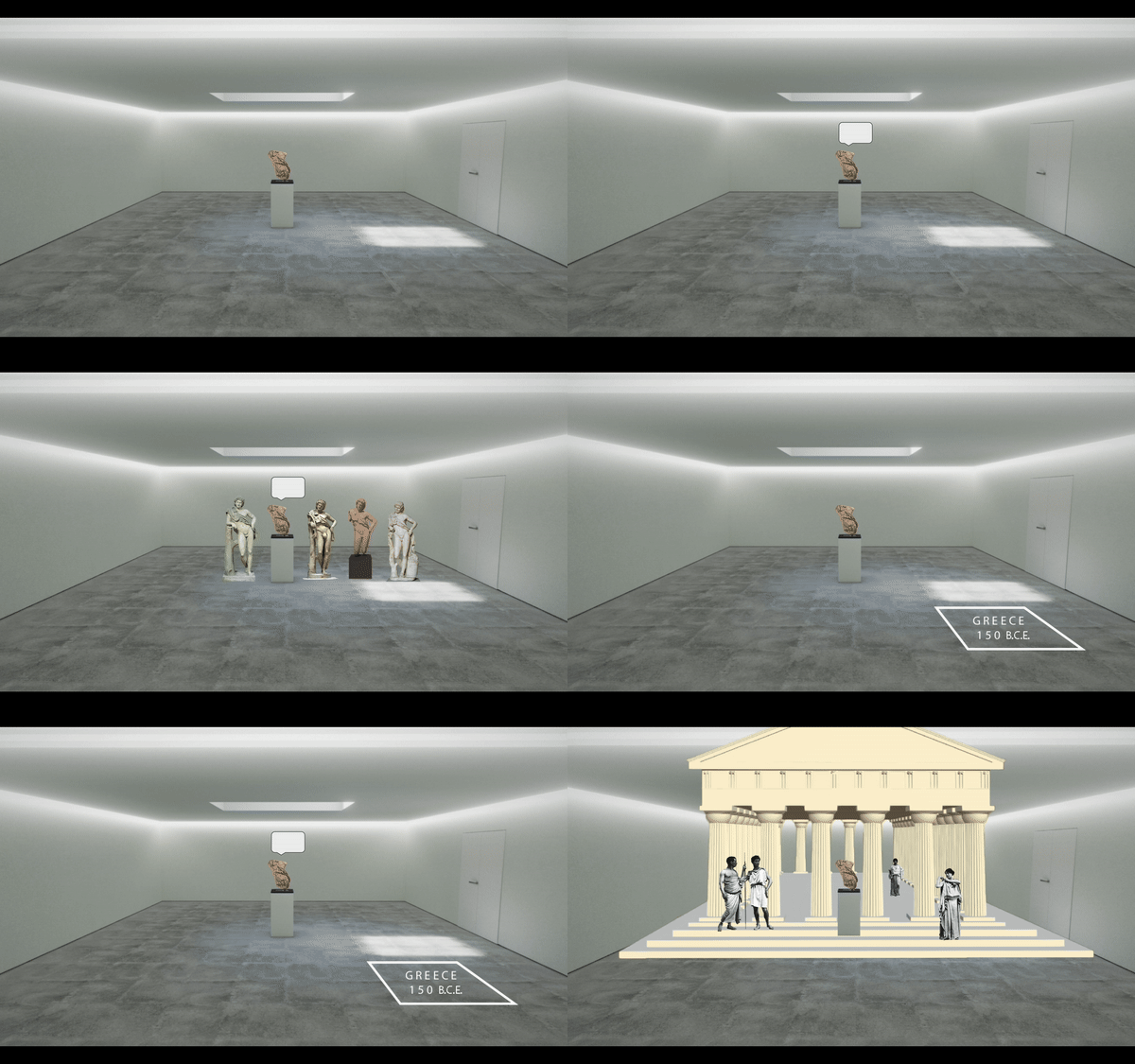
The AR protoype experience begins with audio voiceover—a first-person narration as if the statue were speaking to the user themselves. The statue describes what a satyr is, a part-human, part-animal mythological creature, and explains a satyr's symbolic role as mediator between the real and mythical before taking the user from the real into the virtual world of AR. Three-dimensional models of other Resting Satyr copies appear next to the statue, explaining how the statue is one of many Roman copies and illustrating how the fragment might have once looked.
Then, through visual, audio, and gaze-based cues, a model of a Dionysian Greek temple appears, enveloping the statue. The user is immersed in the statue's ancient context, providing a visceral learning experience of scale and context. The audio continues to guide and teach the user about why a satyr was associated with Dionysian worship, and how ancient Greek viewers might have interpreted the statue's presence at the temple.
This goes on, taking the user to two other ancient Roman domestic contexts. Finally, the user is back in the gallery with the statue. The audio prompts self-reflection—how does the statue's display environment of a museum in the 21st century conjure its own meaning? How is the user the same and different from other people who have seen and considered the statue at different points in time?
Impact + Results
This conceptual experiment and prototype was an influential culmination of projects applying AR to museums and cultural heritage. The concept and prototype was presented by Kelly McClinton and myself at the IU School of Informatics to faculty and students. In May 2018, this project was presented at the Rome Art History Network: Digital Art History Conference held at the Biblioteca Angelica and the American Academy in Rome.
What I Learned
This was my first experience with usability testing, and one for an immersive app to boot. I learned that being scrappy with creating physical proxies for a digital experience could be just as fruitful in getting feedback. I also learned the unique challenges of gathering standardized and spontaneous feedback during sessions that are facilitated solo.
© 2025 Kayla’s Portfolio. All Rights Reserved.